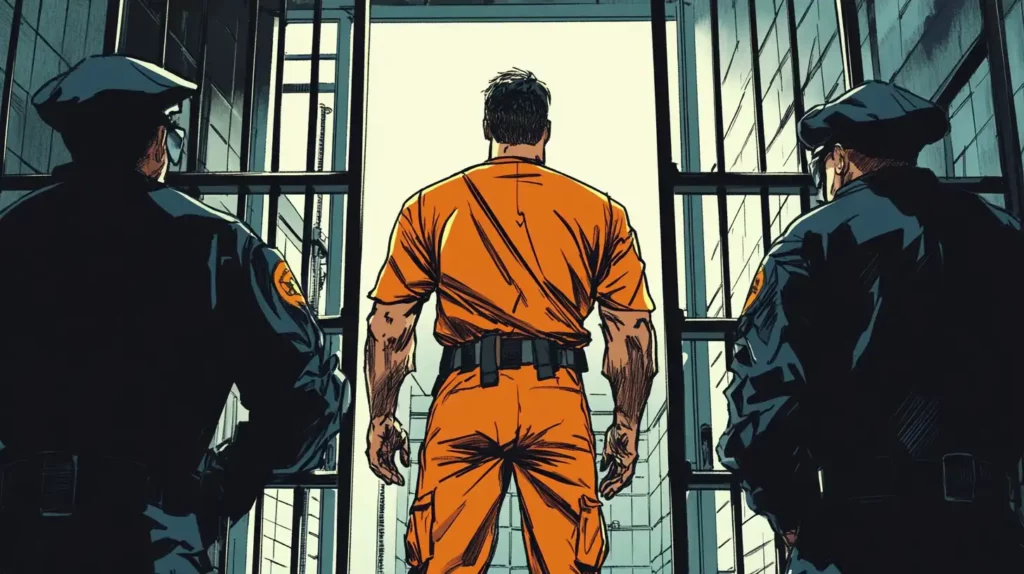
How Many Jails Are Privately Owned in the USA? A 2025 Exploration
How many jails are privately owned in the USA? It’s a question that digs into the heart of America’s complex incarceration system—a system that, as of March 26, 2025, holds roughly 670,000 people in local jails daily, according to estimates based on Bureau of Justice Statistics (BJS) trends. When we talk about “privately owned jails,” we’re stepping into a murky world where profit meets punishment, and the lines between public and private blur. Unlike state or federal prisons, jails are typically county- or city-run, housing pretrial detainees and short-term offenders. But how many of these facilities are owned or operated by private companies rather than local governments? The answer isn’t straightforward, and pinning it down requires untangling data, definitions, and the evolving role of privatization in 2025.
The idea of private companies running jails—or any correctional facility—stirs debate. Advocates say it saves taxpayer money; critics argue it prioritizes profit over people, often at the expense of conditions and rehabilitation. In 2025, with incarceration still a hot-button issue, understanding the scope of private ownership offers a window into how America manages its 7.6 million annual jail admissions (BJS, 2023). This guide dives into the numbers, the players, and the stakes, aiming to shed light on a system that’s as sprawling as it is controversial.
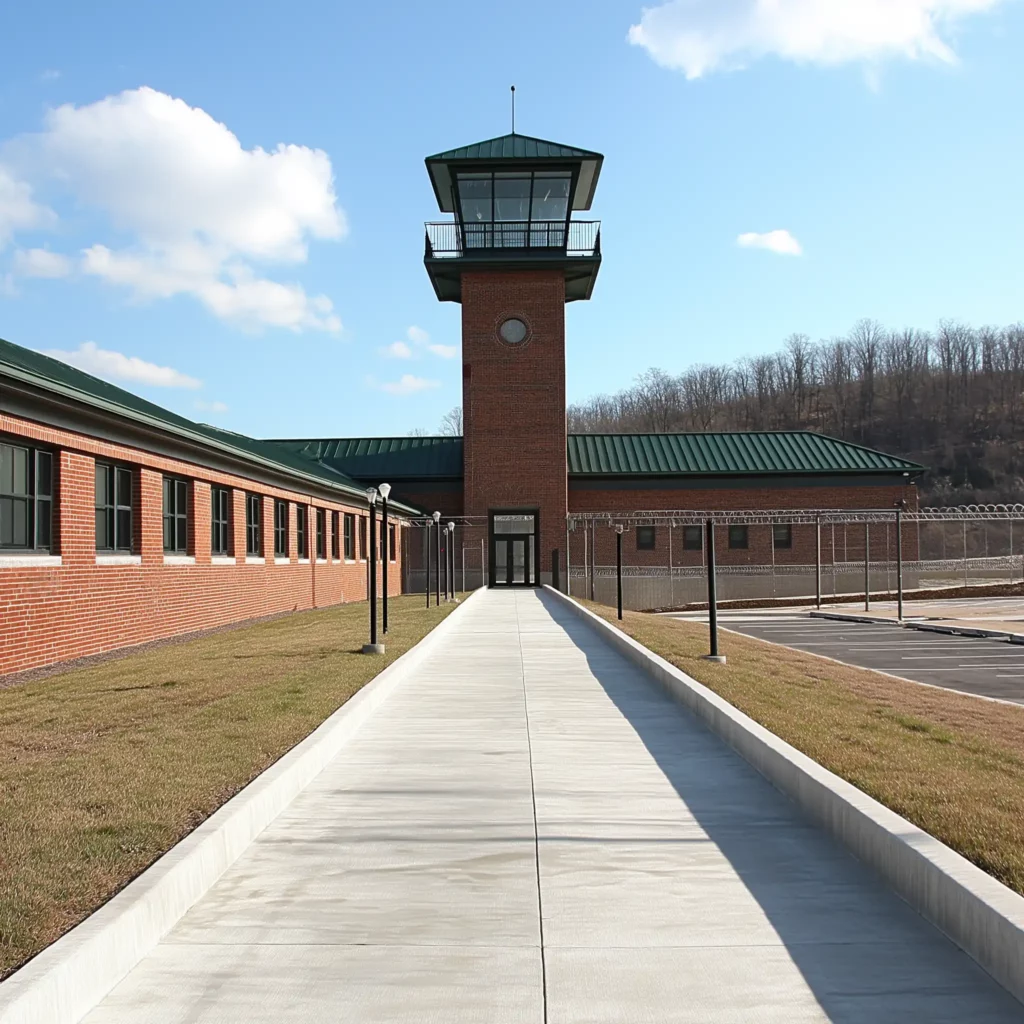
Defining the Landscape: What Counts as a Privately Owned Jail?
To answer how many jails are privately owned in the USA, we first need to clarify what “privately owned” means. Jails differ from prisons—prisons are state or federally run for longer sentences, while jails are local, handling shorter stays or pretrial detention. Private ownership can mean a company fully owns and operates the facility under a government contract, or it might just manage a public jail, providing staff and services. The data often lumps jails and prisons together, muddying the waters, so we’ll focus on jails specifically where possible, leaning on the latest insights from 2025.
Historically, jails have been public—think county sheriffs locking up folks since the 1800s. But privatization crept in during the 1980s, fueled by the “War on Drugs” and overcrowded facilities. Companies like CoreCivic and GEO Group emerged, pitching cost savings and efficiency. By 2025, private involvement spans full ownership, management contracts, and outsourced services (like healthcare or food). The Prison Policy Initiative notes that only 8% of all incarcerated people—across jails and prisons—are in private facilities, but jails are a smaller, trickier subset to isolate. Let’s break it down.
How Many Jails Are Privately Owned in the USA? The Numbers Game
So, how many jails are privately owned in the USA as of 2025? Exact figures are elusive—there’s no single, up-to-the-minute tally of privately owned jails separate from prisons. The BJS tracks jail populations (664,200 at mid-2023), but its data doesn’t split ownership cleanly between public and private. A starting point: the US has around 3,493 local jails, per a 1984 count that’s held steady with minor updates. Private jails are a fraction of that, often overshadowed by the larger private prison narrative.
For prisons, we know more. In 2022, 27 states and the federal government held 90,873 people in private prisons—8% of the total prison population (BJS, 2023). But jails? The Sentencing Project and others estimate private companies play a smaller role here, with less than 10% of jail inmates in fully private or privately managed facilities. A 2019 BJS report, the most recent detailed snapshot, doesn’t specify a jail count but notes private prisons numbered around 130 nationwide. Jails likely add dozens more—experts suggest 50–100 fully private local facilities in 2025, based on trends and industry growth, though many more have private contracts for specific services.
Why the fuzziness? Jails often “rent” beds to state or federal agencies (like the U.S. Marshals Service, with 40,652 in state/local facilities in 2024), blurring ownership lines. Some counties lease private facilities but retain control, while others outsource entirely. A rough 2025 estimate: of 3,493 jails, perhaps 2%–3% (70–100) are privately owned outright, with hundreds more under private management or hybrid deals. It’s a sliver of the pie, but one with outsized impact.
How Many Jails Are Privately Owned in the USA by State?
The private jail landscape varies wildly by region. How many jails are privately owned in the USA depends on where you look—some states embrace privatization, others shun it. Florida and Texas lead the pack, with Florida housing the most private prison inmates (11,688 in 2022, per Statista) and Texas not far behind (9,544). Both use private companies for jails, too—think GEO Group’s Broward Transitional Center or CoreCivic’s contracts in smaller counties. Estimates suggest Florida has 10–15 private jails, Texas maybe 15–20, based on their sprawling systems.
Southern states like Louisiana and Georgia lean on private management for jail overflow, though Louisiana’s 52.7% local jail population (2022, USAFacts) is mostly public. California mixes it up—counties like Kern lease private beds, but reforms limit full privatization. A 2021 CalMatters probe found 33 counties with long-term detainees, some in private facilities, hinting at 5–10 private jails statewide. Meanwhile, states like New York, Illinois, and Maine stick to public jails, with zero privately owned ones, per USAFacts 2022 data.
Rural areas complicate the count. The Vera Institute’s 2024 report notes a 2.2% jail population rise in rural counties since 2022—some turn to private firms to ease overcrowding, adding perhaps 20–30 small private jails nationwide. Without a 2025 BJS census (due late 2025), we’re piecing together a puzzle: likely 70–100 private jails total, concentrated in privatization-friendly states.
The Players: Who Owns These Jails?
Two giants dominate: CoreCivic and GEO Group. CoreCivic, born as Corrections Corporation of America in 1983, runs dozens of facilities—jails and prisons—across 19 states, housing over 100,000 inmates total. GEO Group, with 65+ facilities, matches that scale. Both focus on prisons but snag jail contracts, too—GEO’s South Bay facility in Florida, for instance, doubles as a jail and rehab center. Smaller players, like Management and Training Corporation, pop up in places like Utah, running niche facilities.
These companies don’t just own—they manage. A county might build a jail, then hire CoreCivic to staff it, keeping “ownership” public but operations private. In 2025, their influence grows with immigration detention—GEO and CoreCivic hold 90% of ICE detainees in private facilities (Brennan Center, 2023), some overlapping with jail functions. Their stock soared post-2024 election, per the Brennan Center, signaling a Trump-era boost that could add jails to their portfolios.
Costs and Controversies: Why Privatization Matters
Private jails promise savings—$15 million annually in some states, per a Vanderbilt study—but the reality’s mixed. A National Institute of Justice report found higher service quality in private facilities, yet a 2016 DOJ review flagged 28% more inmate assaults than in public ones. Costs vary: $40,000 per inmate yearly in public jails (Pew, 2021) versus $30,000–$50,000 in private ones, depending on state and services. Critics say profit motives cut corners—think maggoty food in DC jails (2023 inspection) or understaffing in Alabama (DOJ probe).
For taxpayers, it’s a $30 billion annual jail bill (2025 estimate from Pew’s $25 billion in 2017). Private jails take a chunk—maybe $2–$3 billion—though their 2%–3% share keeps them secondary to public spending. Advocates argue they ease overcrowding (20% of jails overcapacity, Pew 2017); detractors point to recidivism (68% within three years, BJS 2005) and moral hazards—more inmates, more money.
The Human Angle: Life in Private Jails
What’s it like inside? A first-timer in a private jail—like GEO’s Blackwater in Florida—might face tighter security but shoddier conditions than a public one. Reports cite mold, broken plumbing, and sparse healthcare—40% of inmates have chronic illnesses (BJS 2022), yet private jails often charge $3–$5 for a doctor visit. Violence festers, too; understaffing (50-to-1 guard ratios) breeds chaos, per 2023 DC data showing 38% more stabbings.
Anecdotes hit harder. A Georgia mom jailed pretrial in a private facility lost her kids to foster care—her $500 bail unpaid—while the county spent $40,000 to hold her. In Mississippi, heat stroke killed an inmate in a private jail too cash-strapped for AC. These stories echo across the 70–100 private jails, a small but potent slice of the system.
Reform and the Future: Shifting Tides in 2025
Change brews. Biden’s 2021 order cut federal private prison contracts, dropping their BOP share to 8.2% by 2025 (BOP data). States like New Jersey ditch cash bail, shrinking jail rolls—and private roles. Yet Trump’s 2024 win signals a rebound—GEO and CoreCivic stocks jumped, hinting at new jail deals. The Prison Policy’s 2025 reform list pushes public control, but adoption lags.
How many private jails will there be by decade’s end? If trends hold, 100–150 isn’t far-fetched, especially in the South and West. Data gaps persist—the BJS’s 2025–2026 Census of Jails might clarify—but for now, it’s an educated guess.
Conclusion: Piecing It Together
How many jails are privately owned in the USA? In 2025, it’s likely 70–100 out of 3,493—2%–3%—with hundreds more under private management or hybrid setups. It’s a small but mighty fraction, driven by giants like CoreCivic and GEO, shaping lives and budgets in states like Texas and Florida. The numbers are fuzzy, the stakes high—$30 billion in jail costs, millions in lives touched. Want precision? Watch for late-2025 BJS data. For now, it’s a system where profit and punishment collide, and every jail counts.