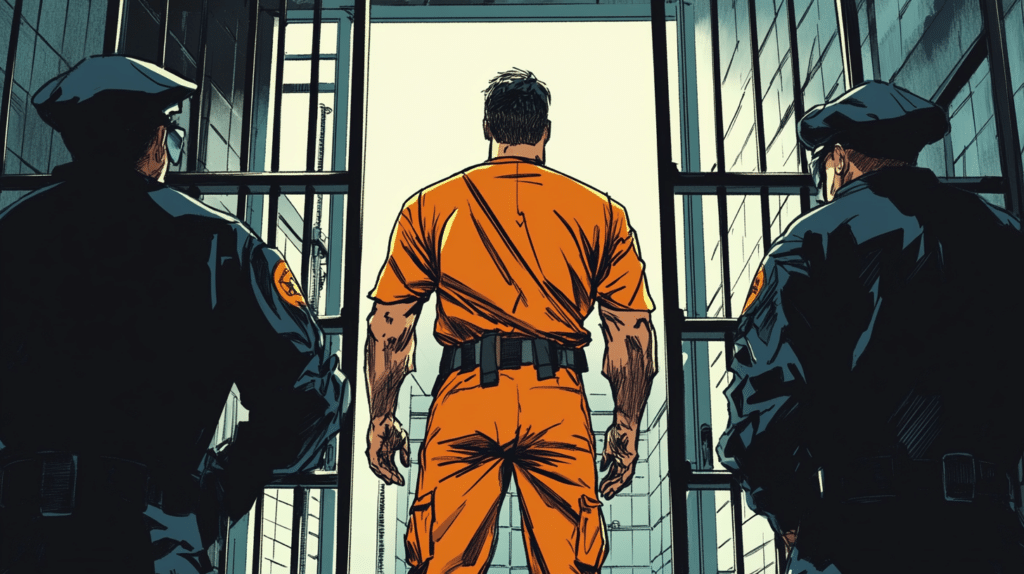
Parole and Probation Rules by State: Your 2025 Guide
Navigating the complexities of parole and probation rules by state is crucial for anyone under community supervision in the U.S., as well as their families and advocates, as of March 17, 2025. Across the country, nearly 3.7 million adults are on probation or parole, dwarfing the prison population and reflecting a patchwork of regulations that differ from California to New York, Texas to Maine. At US Prison Guide, we’ve distilled years of research and insider knowledge to bring you a comprehensive breakdown of these rules, tailored to the U.S. prison and jail system. Whether it’s understanding curfews at a facility like Lovelock Correctional Center or travel restrictions from USP Leavenworth, this guide has you covered.
Here, we’ll explore how parole and probation function, highlight key state variations, and offer practical advice to stay compliant—drawing from our extensive resources at usprisonguide.com. By the end, you’ll have a solid grasp of what to expect, no matter where in the U.S. you’re supervised. Let’s dive into the details.

What Are Parole and Probation?
Before tackling parole and probation rules by state, let’s clarify the basics:
- Probation: A court-ordered alternative to incarceration, letting offenders serve sentences in the community under supervision. Think of it as a chance to avoid jail time at facilities like Kosciusko Correctional Center.
- Parole: Early release from prison—say, USP Marion—with conditions to finish the sentence outside. It’s a privilege, not a right.
Both involve strict rules, overseen by probation or parole officers, and violations can land you back behind bars. The U.S. system is split between federal oversight (BOP) and 50 unique state systems, plus local jails, creating a maze of regulations.
Parole and Probation Rules by State: Common Conditions
While specifics vary, some rules are near-universal:
- Law-Abiding Behaviour: No new crimes—breaking this at FCI McKean or Rikers means revocation.
- Reporting: Regular check-ins with officers—weekly at California State Prison Sacramento, monthly elsewhere.
- Drug/Alcohol Tests: Random screenings are standard, especially in states like Texas.
- Employment: Many require steady work—easier near urban jails like Harris County than rural Angola.
- Residence: Stay at an approved address—e.g., 1200 Prison Road, Lovelock, NV 89419 for Nevada parolees.
These form the backbone, but states tweak them, as we’ll see.
Parole and Probation Rules by State: Key Variations
Federal System
- Authority: Federal Probation and Pretrial Services, post-BOP release from places like USP Lewisburg.
- Rules: Uniform nationwide—no firearms, mandatory drug tests, no leaving the judicial district without permission (call 913-250-2000 for USP Leavenworth queries).
- Duration: Often 1-5 years post-sentence; parole ended in 1987, replaced by supervised release.
California
- Probation: CDCR oversees—up to 3 years typically. No contact with victims, curfews common near San Quentin State Prison.
- Parole: 1-3 years post-release; sex offenders face GPS monitoring. Contact: usprisonguide.com.
Texas
- Probation: Community Supervision and Corrections Departments run it—up to 10 years for felonies. Strict drug rules; Harris County Jail parolees often report biweekly.
- Parole: Texas Board of Pardons and Paroles sets terms—life for some violent offenders. No alcohol for DWI cases.
New York
- Probation: DOCCS manages—5 years max for felonies. No gang ties (key at Fishkill Correctional Facility); mental health checks rising.
- Parole: Post-Rikers release might mean daily reporting initially. Great Meadow closed in 2024—rules shifted elsewhere.
Florida
- Probation: Up to offence maximum—e.g., 15 years for Miami-Dade Metro West felons. Restitution often required.
- Parole: Rare since 1983; older cases (pre-’83) still linger with tight travel limits.
Louisiana
- Probation: 1-5 years, heavy on community service—Angola parolees face farm work echoes.
- Parole: Recent rollbacks (2024) killed discretionary parole for many—life terms now rigid.
Our site lists facility-specific contacts—e.g., 225-655-4411 for Angola details.
Special Conditions and Restrictions
States pile on unique rules:
- Sex Offenders: California and Texas mandate GPS; New York adds therapy.
- Domestic Violence: Federal and Florida require rehab programmes.
- Travel: Most states need officer approval—leaving Bedford Hills Correctional Facility’s district (914-241-3100) takes paperwork.
- Electronic Monitoring: Common in urban jails like LA County—ankle bracelets track every move.
These can feel overwhelming, but understanding them prevents slip-ups.
Staying Compliant
To avoid revocation:
- Know Your Terms: Get them in writing—our database at usprisonguide.com/prison-information helps clarify.
- Communicate: Tell your officer about job or address changes—e.g., 4000 Union Springs Road, Whiteville, TN 38075 for Hardeman County.
- Plan Ahead: Need to travel? Apply early—delays are common.
- Use Support: Funds for commissary or visits (details on our site) ease stress.
Violations—new crimes or technical breaches (missing a meeting)—can mean jail. In 2022, 350,000 went back inside, per BJS data.
Why It Matters
Parole and probation rules by state aren’t just bureaucracy—they’re a lifeline to freedom or a ticket back to lockup. With 1 in 69 adults supervised (2021 stats), these rules touch millions. States like California push rehab; others, like Louisiana, lean punitive. Our mission at US Prison Guide is to cut through the noise with actionable info.
Why Trust US Prison Guide?
Our team—legal minds, ex-inmates, and researchers—knows the system from USP Marion’s federal cells to Rikers’ jail blocks. We’ve tracked parole and probation rules by state across the U.S., keeping it current (e.g., Louisiana’s 2024 parole shift). Whether it’s compliance or context, we’ve got your back.
Ready to dig in? Explore usprisonguide.com for facility details or reach out for tailored guidance.
Final Thoughts
Mastering parole and probation rules by state is your key to thriving under supervision—whether it’s dodging pitfalls in Texas or meeting curfews in New York. From federal consistency to state quirks, the U.S. system is vast but navigable with the right tools. US Prison Guide is here to light the way—visit usprisonguide.com today and take charge of your journey.