
What Is the Average Jail Sentence in the USA? A 2025 Perspective
What is the average jail sentence in the USA? It’s a question that peels back layers of America’s justice system, where roughly 670,000 people sit in local jails on any given day in 2025, based on estimates from the Bureau of Justice Statistics (BJS). Unlike prisons, which house those serving longer sentences, jails—typically run by counties or cities—are the front door of incarceration, holding people pretrial or for short stints, usually under a year. Pinning down an “average” jail sentence is tricky because most inmates (70%, or about 469,000, per BJS 2023) are awaiting trial, not yet sentenced, while the convicted serve terms that vary wildly by crime, state, and circumstance. As of March 26, 2025, we’ll sift through the latest data, trends, and real-world factors to give you a clear picture of what “average” means behind bars.
Jails process a staggering 7.6 million admissions annually (BJS, 2023), a revolving door of arrests, releases, and short sentences that dwarf the 469,000 who enter state or federal prisons each year. For the convicted, sentences might range from a few days for a misdemeanor to a year for a heftier charge—yet the data’s scattered, and “average” often blurs with pretrial limbo. This guide dives into the numbers, breaks down what drives jail time, and offers a human lens on a system that’s as chaotic as it is critical. Whether you’re researching or facing it firsthand, here’s what you need to know.
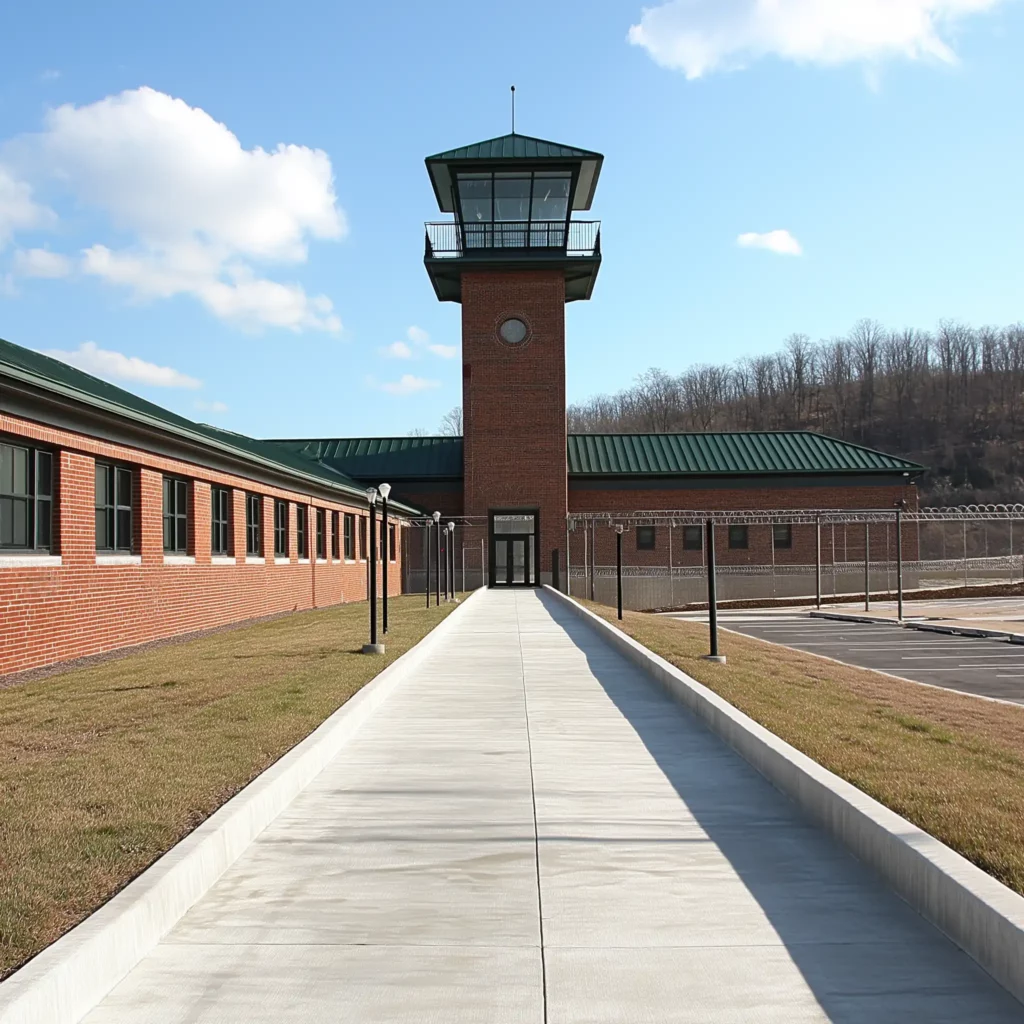
Understanding Jail vs. Prison: Setting the Stage
Before tackling what the average jail sentence in the USA is, let’s clarify what “jail” means. Jails are local—think county sheriffs or city police—holding people pretrial (70% unconvicted, per BJS 2023) or serving sentences under a year. Prisons, run by states or the federal government, are for longer hauls—felonies with terms often stretching years. The distinction matters: jail sentences are shorter by design, but the “average” gets muddied by the pretrial crowd, who skew the daily count without a set term.
The BJS’s 2023 midyear snapshot pegs jail populations at 664,200, with 196,600 (30%) convicted—either serving sentences or awaiting sentencing post-conviction. That’s our starting point for sentenced inmates, though not all serve full terms; many get “time served” from pretrial detention. Nationally, jail sentences lean short—days to months—but pinning an exact average requires digging into patchy state and local data. Let’s see what we can uncover.
What Is the Average Jail Sentence in the USA? The Numbers
So, what is the average jail sentence in the USA for those actually serving time? Hard data’s thin—jails don’t report sentence lengths as neatly as prisons do—but we can piece it together. The BJS’s last deep dive, the 2016 Survey of Inmates in Local Jails (latest available in 2025), offers a clue: among convicted inmates, the median time served was about 3 months (90 days), with averages likely higher due to outliers like year-long terms. Adjusting for 2025 trends—stable populations, slight post-COVID upticks (4% rise 2021–2022, BJS)—a rough national average for sentenced jail inmates likely sits between 3 and 6 months (90–180 days).
Why the range? Misdemeanors dominate jail sentences—think DUIs, petty theft, or disorderly conduct—often carrying 30–90 days, per state statutes. In Texas, Class A misdemeanors cap at 1 year, Class B at 180 days; California’s similar, with 6 months common for petty theft. But “time served” muddies it: many plead guilty early, getting credit for pretrial days (median 26 days, per Vera 2023), so their actual post-sentence time shrinks. For the 102,700 serving under a year in jails daily (Prison Policy, 2024), sentences average closer to 4–5 months, factoring in these credits.
Contrast this with prisons: federal sentences averaged 54.7 months for guilty pleas in 2003 (BJS), while state prison terms for felonies hit 13–15 months served in 2016 (BJS). Jails are the short end—about 10% of prison averages—reflecting their role as quick-turnaround hubs. Without a 2025 BJS jail survey (due late 2025), 3–6 months is our best 2025 guess, grounded in past data and current churn.
What Is the Average Jail Sentence in the USA by Crime?
Sentence length hinges on the offense, so what is the average jail sentence in the USA across crime types? Misdemeanors rule here—85% of convicted jail inmates in 2016 (BJS) faced them. Here’s a breakdown:
- Nonviolent Misdemeanors: Petty theft, public intoxication, or minor drug possession often net 30–90 days. In Florida, a first-time shoplifting charge might mean 60 days; California’s Prop 47 keeps drug possession under 6 months.
- Violent Misdemeanors: Simple assault or domestic battery can push 6 months to a year. Texas caps Class A assault at 1 year; NYC data shows 3–6 months typical (Vera, 2023).
- Traffic Offenses: DUIs range widely—first offenses in Georgia average 10–30 days, per state law, while repeaters hit 90 days or more.
- Probation Violations: These blur the line—30–180 days is common, depending on the breach, per 2023 state reports.
Felonies rarely land in jail post-conviction—those go to prison—but pretrial felony detainees (32% of jail bookings, Vera 2023) rack up time served, often 2–6 months, before transfer or plea. The 2016 BJS survey found 15% of jail inmates had felony convictions, serving up to a year locally if prison space lags. For 2025, expect averages to hold: 1–3 months for minor crimes, 6–12 for serious ones, with “time served” trimming the tail end.
Factors Shaping Jail Sentences
Why such variation? Several forces tug at the average:
- Bail and Pleas: 70% of jail inmates are pretrial (469,000, BJS 2023)—many plead guilty fast to escape, cutting sentences to time served (26 days median, Vera 2023). No bail money? You’re in longer.
- State Laws: Texas’s 1-year max for Class A misdemeanors contrasts with New York’s 364-day cap—local rules set the ceiling.
- Court Backlogs: 256 days for felony cases (2021, National Center for State Courts) delays trials, but misdemeanor pleas resolve quicker, averaging 30–60 days served (Vera, 2023).
- Judicial Discretion: Judges tweak terms—good behavior shaves days; overcrowding (20% of jails, Pew 2017) might spring you early.
In 2025, post-COVID rebounds (10% below 2019 levels, Prison Policy 2025) and reforms (e.g., New Jersey’s bail overhaul) nudge averages down in some spots, up in others (rural jails up 2.2%, Vera 2024). It’s a moving target.
The Human Side: What It Means
Numbers don’t tell it all. A 30-day sentence for a DUI might cost a job—$13,000 yearly income lost (Prison Policy, 2015)—while a 6-month stint for assault leaves kids (5 million with jailed parents, 2025 estimate) scrambling. Take Sarah in Ohio: nabbed for petty theft, she served 45 days pretrial, pled out, and walked with “time served”—but her kids spent a month with grandma. Or Mike in Texas: a 90-day DUI term tanked his delivery gig. Short sentences hit hard, especially for the 32% earning under $10,000 pre-jail (Vera, 2023).
Regional Snapshots: A Patchwork of Averages
Averages shift by place. NYC’s misdemeanor sentences hover at 30–60 days (Vera, 2023), while rural Georgia might stretch 90–180 for the same crime—less court capacity, tougher judges. California’s urban jails lean 3–6 months; Texas rural ones hit 6–12, per local reports. No national jail sentencing database exists—unlike federal stats (BOP, 2025)—so we stitch it from fragments.
Reform and the Future
Reforms tweak the math. Illinois’s 2021 bail law cut pretrial numbers, likely trimming averages; Kentucky’s risk assessments do the same. But 35 states saw prison rises in 2022 (BJS), and jails follow suit—70% pretrial holds steady. A 31% jail drop in 2020 (COVID releases) faded by 2025, suggesting 3–6 months could creep up without decarceral pushes (Prison Policy, 2025).
Conclusion: Piecing It Together
What is the average jail sentence in the USA? In 2025, it’s roughly 3–6 months (90–180 days) for the convicted 196,600 in jails daily—short, sharp stints dwarfed by prison’s years-long terms. Misdemeanors drive it—30 days for theft, 6 months for assault—with “time served” slicing actual time. It’s a system of quick hits, costing $30 billion yearly (Pew 2021 adjusted), scarring lives, and begging questions: is it enough, or too much? For the latest, watch BJS’s 2025 Jail Census—until then, this is the pulse of jail time now.